Industry
Who’s in the Back Row: Scouts, Showcases and the Business of Getting Discovered
From Tonight Show talent bookers at the Improv to SNL showcase season and Just for Laughs auditions, how New York turns club sets into careers.
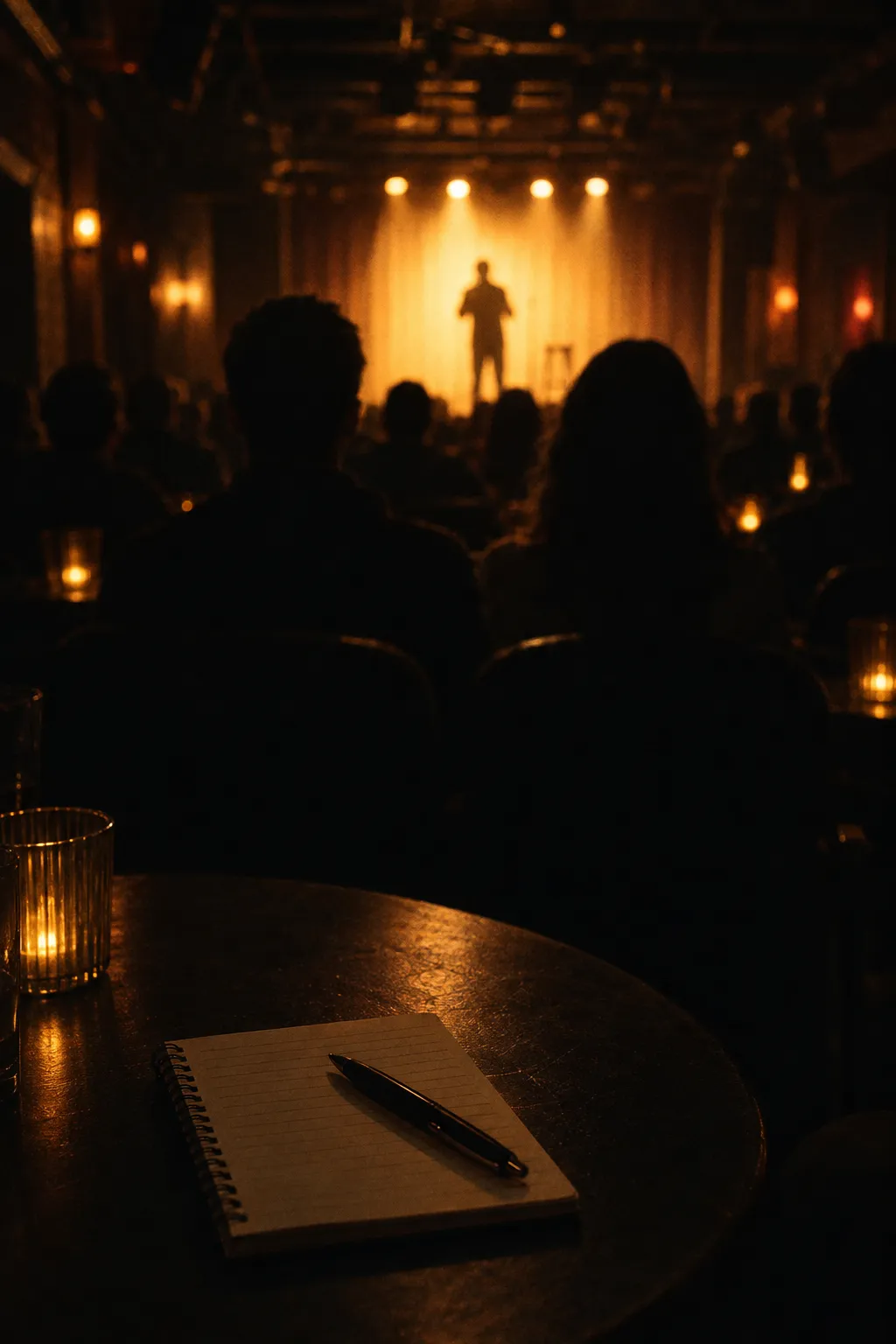
Talent alone has never been enough. What made New York the center of stand-up was that the people who could change a comic’s life were sitting in the same small rooms, often in the back row with a drink and a notepad.
The Tonight Show era
At the Improv in the 1960s and ’70s, scouts from The Tonight Show Starring Johnny Carson and other New York shows started showing up looking for new acts, and established comics came in to work out material before their appearances (Wikipedia). Uptown at Catch a Rising Star, agents and bookers sometimes signed newcomers on the spot (WRAL / New York Times).
Then the map changed. On May 1, 1972, Carson moved the show to Burbank, and “the comedy business moved with it.” Comics whose home clubs were the Improv and Catch moved west to be near the show (LateNighter). New York kept its clubs, but the biggest single career-maker was now 2,500 miles away.
Peers as scouts
Part of New York’s answer was a peer network. In the 1970s, David Brenner and Bill Cosby held informal late-night seminars at Catch for any young comic who wanted to stay and ask about the business (HuffPost). At the Comic Strip, Eddie Murphy discovered Chris Rock (NYC.com). Decades later, Bill Hader recommending Pete Davidson to Lorne Michaels led to Davidson’s SNL audition (Backstage).
SNL showcase season
SNL has never held open auditions. Scouts find performers at comedy clubs and festivals, invite promising ones to showcases, and then bring a short list in for studio auditions (Backstage, LateNighter). The show’s casting team still names schools it trusts, including UCB (Backstage), whose New York theater sent performers to SNL, Conan and The Daily Show (New York Magazine).
Six minutes in Montreal
The other big gate is Just for Laughs in Montreal. New York comics audition for its New Faces showcase in local clubs (New York Comedy Club). If chosen, they get six minutes in a theater packed with agents and industry professionals, and recording the sets is not allowed (NPR).
In decades past, New Faces could win six-figure development deals just off a hot six-minute set.The Comic’s Comic
Alumni include Kevin Hart, Amy Schumer, Ali Wong, Hannibal Buress and Pete Davidson (Just for Laughs).
The map is changing again
Today, industry executives say comics no longer need to relocate to Los Angeles or New York to be discovered or to build a touring career (Pollstar). Podcasts, clips and Austin’s rise have spread the scouting map out. But the back rows of New York clubs still have people with notepads in them, and the city’s sheer volume of stage time is still hard to match.
Keep reading
Thrown Out, Then Signed: How the Comic Strip Turned Eddie Murphy and Chris Rock Into Stars
A Bronx bingo-hall operator, a Harvard lawyer and a room on Second Avenue built the Upper East Side’s star factory, then managed the biggest comic of the 1980s.
The Table Upstairs: How the Comedy Cellar Became Comedy’s Clubhouse
A basement under a Middle Eastern café, a hostess turned booker, and one reserved table turned a struggling room into the most coveted stage in stand-up.
From the List to the Lineup: A Field Guide to New York’s Open Mic Economy
Five-dollar mics, barking for stage time, and bringer shows: the unglamorous ladder every New York comic climbs, and which rungs are worth it.