Venues
Thrown Out, Then Signed: How the Comic Strip Turned Eddie Murphy and Chris Rock Into Stars
A Bronx bingo-hall operator, a Harvard lawyer and a room on Second Avenue built the Upper East Side’s star factory, then managed the biggest comic of the 1980s.
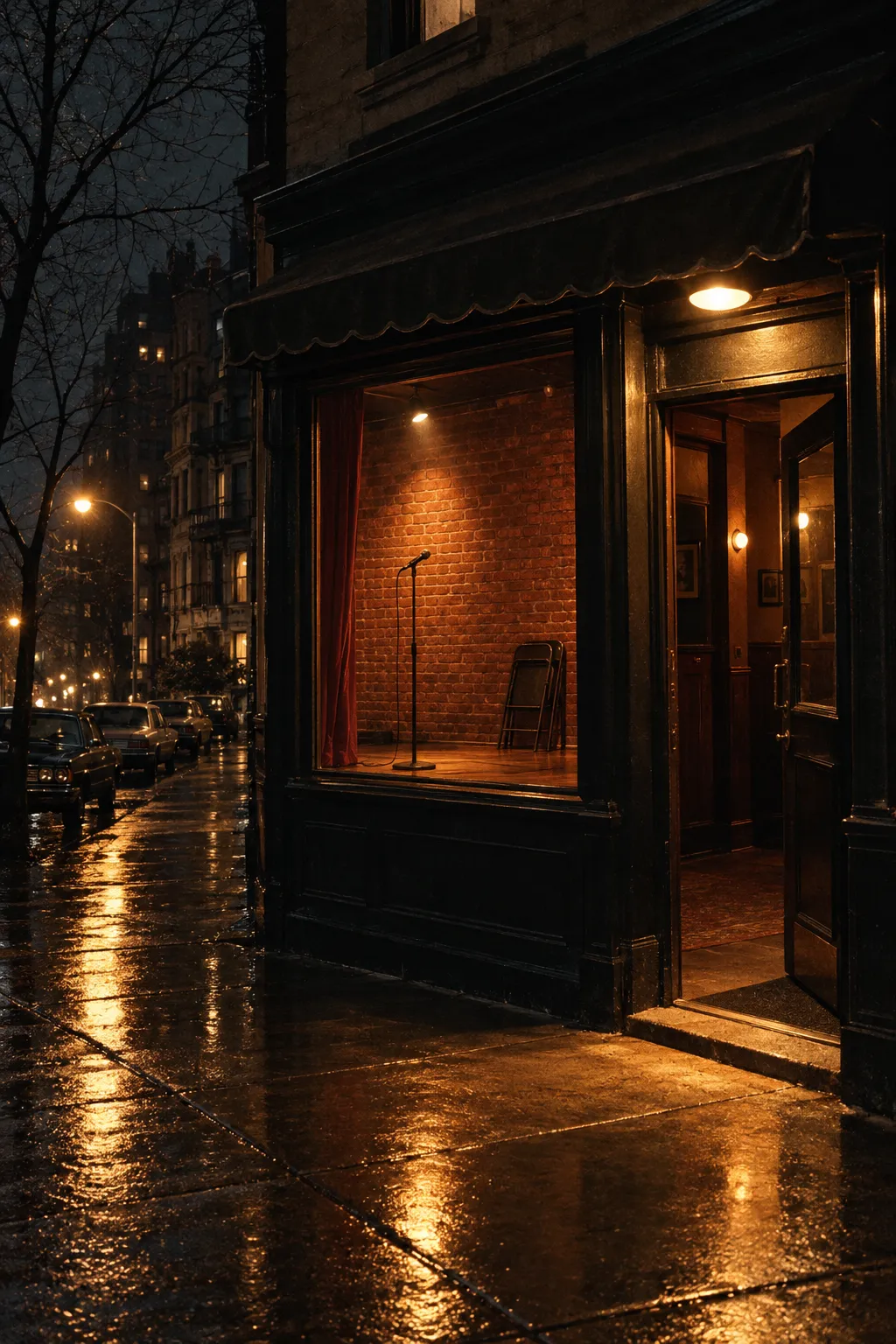
The Comic Strip started with a bartender who wanted stage time. A Bronx bar owner named Richie Tienken got dragged to Manhattan by one of his bartenders, Tony, who was trying stand-up. Tienken didn't want to go ("Tony, I hate downtown"), but he found a packed house paying to watch comics who weren't being paid. "Well, now I'm interested," he recalled (FOX 5 New York).
Tienken had come up the hard way. He told FOX 5 he stole a car and left home at 13, later came back to the Bronx to run a huge bingo hall, and parlayed that into several bars (The Comic's Comic). He opened the club on Second Avenue between 81st and 82nd Streets with Robert Wachs, a Harvard-trained lawyer, and John McGowan (The Hollywood Reporter).
Even the opening date depends on who you ask. The club and The Hollywood Reporter say May 1975 (Comic Strip Live, The Hollywood Reporter), while the club's own 2012 oral history and Tienken himself put the doors opening on June 1, 1976 (New York Post, Best Comedy Tickets).
Singers, magicians, then stand-up only
At first the room booked comics, singers, magicians and novelty acts, until the owners decided stand-up was "the only way to go" and made it a showcase club (Comic Strip Live). In those early years its main rivals were the Improv and Catch a Rising Star (The Hollywood Reporter). Comedy writer Jeffrey Gurian credits the Strip as the first club to give comedians a schedule for when they'd go on (FOX 5 New York), and the club became known for its annual auditions (The Comic's Comic).
Jerry Seinfeld auditioned on June 17, 1976, a couple of weeks after the doors opened (The Comic's Comic), and he passed (New York Post). "It's when I realized who I was and what I was meant to do, and I figured it out here," he said of that first year (New York Post). Regulars called him "Doctor Comedy" because there wasn't a bit he couldn't fix (Comic Strip Live).
The kid who got thrown out
In 1979, Wachs threw an 18-year-old Eddie Murphy out of the club for trying to sneak onstage ahead of his audition slot. Murphy apologized, came back the next week and performed, and Wachs and Tienken became his managers (The Hollywood Reporter). Murphy joined Saturday Night Live in 1980, became the club's first major star, and recorded his debut album there in 1982 (New York Post).
Managing Murphy changed the club's economics. "I've made a lot of money in comedy because I was Eddie Murphy's manager," Tienken said (FOX 5 New York). Wachs negotiated Murphy's raise once he caught on at SNL, and he took a writing credit on Beverly Hills Cop II (The Hollywood Reporter). That income let Tienken run the Strip his own way, without the usual worries most club owners have (The Comic's Comic).
Stacking chairs for stage time
Chris Rock, a high school dropout from Bed-Stuy, found the club because of Murphy, whom he watched on SNL. The manager offered him a deal: stack the chairs at the end of the night and he could go up. Rock sometimes slept in his red Toyota outside, waiting for his turn (New York Post).
In the mid-1980s, Murphy came back one Friday night as a major star and asked to see a Black comic (New York Post). Tienken said that the only one around was Chris, so he put him up: "Just go up. If you don't think you're doing well, just get off." Afterward Murphy took Rock aside by the ice machine and asked him to come to California, and he rewrote Beverly Hills Cop II so Rock could be in it (Best Comedy Tickets). Page Six dates that night to 1985 (Page Six).
A farm system on Second Avenue
The early regulars included Ray Romano, Paul Reiser, Carol Leifer, Gilbert Gottfried and George Wallace (The Comic's Comic). Romano worked on his act there while delivering futons, and one of his customers was Larry David (New York Post). Colin Quinn tended bar at the club (Wikipedia). Adam Sandler later joked that he copied Murphy's whole path: the same club, the same SNL, and the same manager, whom he also fired when he got famous (The Comic's Comic).
In 2017, Seinfeld renovated the showroom to film his Netflix special Jerry Before Seinfeld there (The Comic's Comic). Rock still drops by to work on new material (Comic Strip Live).
Still standing
The pandemic shut the club, and in early 2021 the 4,300-square-foot space went up for lease. Tienken died that February, and a 2018 lawsuit from Wachs's widow was still in the background, though an April update reported the club might stay thanks to a new lease (Patch). It did. By 2023 Tienken's widow, Jean, was running the room, and a staffer who had been there since the club's second day noted that some neighbors still don't know it's there (NY1). Today the club books shows seven nights a week and still runs open mics, new-talent showcases and stand-up classes (OpenTable).
Keep reading
The Table Upstairs: How the Comedy Cellar Became Comedy’s Clubhouse
A basement under a Middle Eastern café, a hostess turned booker, and one reserved table turned a struggling room into the most coveted stage in stand-up.
From the List to the Lineup: A Field Guide to New York’s Open Mic Economy
Five-dollar mics, barking for stage time, and bringer shows: the unglamorous ladder every New York comic climbs, and which rungs are worth it.

Before the Clubs: The Greenwich Village Coffeehouses That Invented Modern Stand-Up
Long before two-drink minimums, comics like Lenny Bruce, Joan Rivers, Woody Allen and Richard Pryor worked out a new kind of comedy between folk sets on MacDougal and Bleecker.